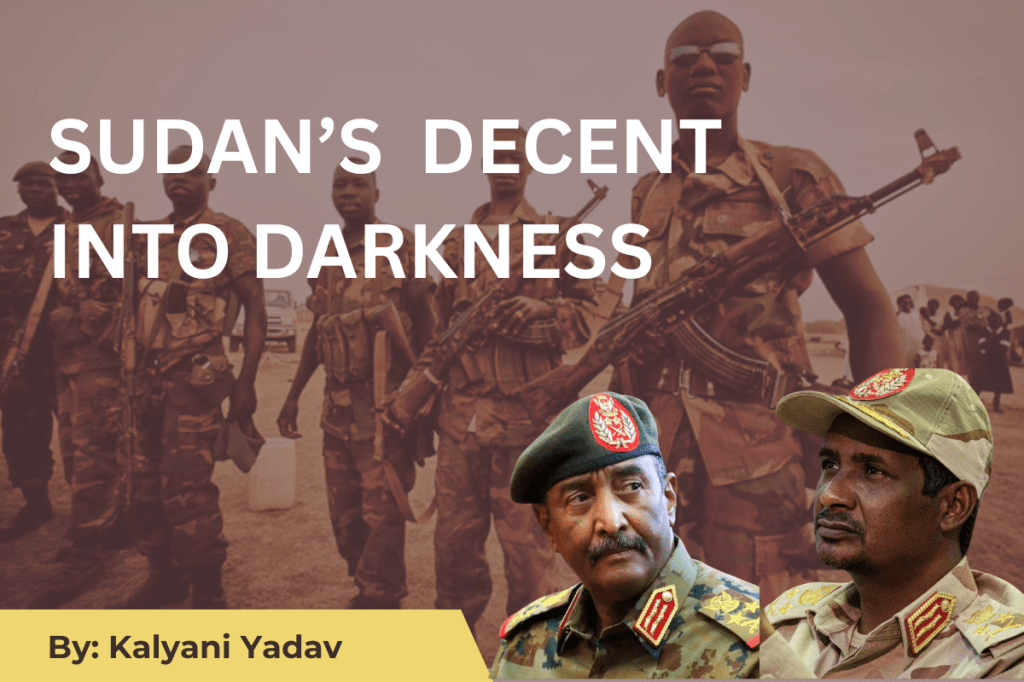
Since April 2023, Sudan has been engulfed in a brutal civil war between the Sudanese Armed Forces (SAF) and the Rapid Support Forces (RSF). Reports indicate that tens of thousands have been killed, municipalities razed, and millions displaced. A UN fact-finding mission described scenes of mass killings and “slaughterhouses”. The violence, especially in the Darfur region, shows patterns reminiscent of genocide—with ethnic minorities targeted, villages burnt, and civilians systematically abused.
A prominent rally in Australia explicitly termed the violence a “genocide” and blamed external actors—including the United Arab Emirates (UAE)—for supplying weapons and enabling the conflict.
Key Players
On one side is the SAF, the national military apparatus. On the other side is the RSF, a powerful paramilitary group, originating from the Janjaweed militia legacy in Darfur. Victims are largely civilians from non-Arab ethnic groups such as the Masalit in Darfur, who are being killed, displaced or subjected to sexual violence.
External players also loom large: The rally report accused the UAE of materially supporting the RSF, while other articles point to foreign arms flows into Sudan. In January 2025, the United States Department of State formally declared that the RSF had committed genocide.
Why the World Should Care?
This crisis matters on multiple levels:
- Humanitarian: Millions are displaced, starving, and subject to outright violence. The scale of suffering places Sudan among the worst humanitarian disasters globally.
- Ethnic cleansing/genocide risk: The systematic targeting of certain ethnic groups signals that this is not just war but potentially genocide.
- Geopolitical: Sudan is rich in resources (gold, strategic Red Sea access) and a battleground for regional power plays. External arms and interests aggravate the conflict.
- Moral/Legal: The world’s failure to prevent or halt such atrocities undermines global norms and the idea of “never again”. The reluctance and slow pace of international intervention carry heavy implications.
How Can the World Respond?
Preventing further collapse and averting full-blown genocide will require concerted action:
- An immediate ceasefire and opening of humanitarian corridors so aid can reach civilians.
- Stop external arms flows and enforce sanctions on states or entities supplying weapons to warring factions. The UAE’s alleged role has drawn scrutiny.
- Accountability mechanisms: Crucially, those who perpetrate mass-atrocities must face justice—whether via the International Criminal Court (ICC), tribunals or other means. Without this, impunity will fuel further violence.
- Long-term political settlement: The divisions fuelling war must be addressed with inclusive governance, protection of minority rights, and international support for rebuilding.
- Global attention & pressure: With media attention elsewhere, Sudan has slipped from view. Reviving international focus is vital to mobilise resources and diplomatic leverage.
The Cost of Silence
Sudan stands at a grim crossroads. What began as a military power struggle has spiralled into mass atrocities that bear the hallmarks of genocide. The humanitarian, moral and geopolitical stakes are enormous. The “who” includes not just the warring factions inside Sudan, but external actors enabling the violence. The “why” is rooted in ethno-political divisions, resource competition, and impunity. The “how” lies in what the world does now — not just speak, but act.
Time is short. Unless the international community moves decisively, Sudan may well become another tragic chapter where promises of protection and prevention failed.


 Vidhan Bharat
Leave a comment